


Turn real-time unstructured data into actionable insights with our computer vision services
Every day, enterprises generate enormous volumes of visual data. From production-line footage to retail shelf images to claims photographs to security feeds to scanned invoices, most of them go unanalyzed and reviewed only after something has already gone wrong. Computer vision changes the equation by allowing machines to perceive and interpret visual information with the speed and consistency human review can't match at scale, converting pixels into productivity.
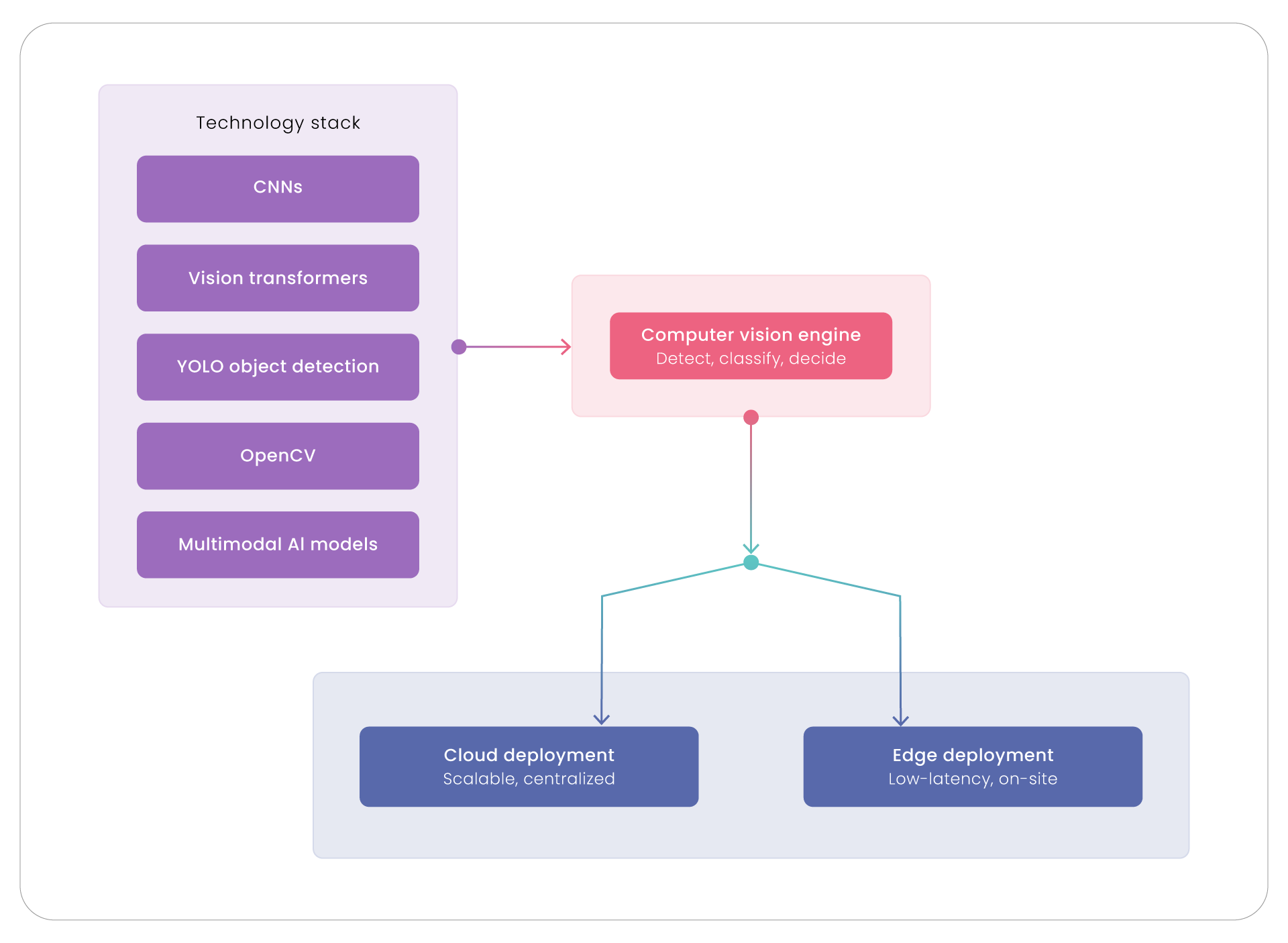
Unlike traditional rule-based image processing, our modern enterprise computer vision solutions are powered by deep learning, convolutional neural networks (CNNs), vision transformers, and increasingly, multimodal large language models that enable systems that don't just detect objects, but understand context, flag anomalies, and trigger action autonomously.
Our Computer Vision Services
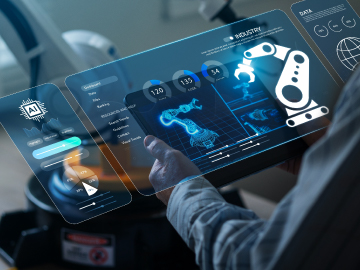
Vision AI strategy and architecture
Design scalable enterprise vision AI roadmaps, production architectures, and tech stack blueprints
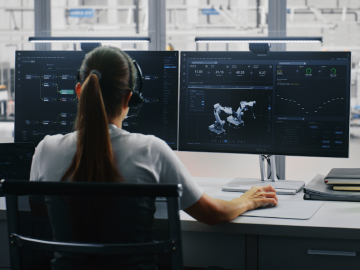
Object detection and image classification
Train custom models to detect, track, and classify visual assets with high precision and speed
OCR and document intelligence
Extract structured data, tables, and key insights from unstructured physical and digital docs
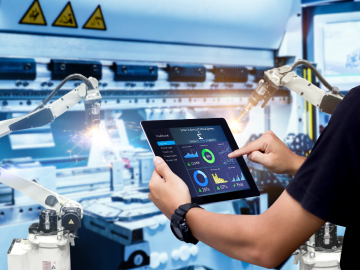
Video analytics and real-time inference
Process live streams at scale for real-time tracking, anomaly detection, and sub-second alerts
Edge AI deployment and optimization
Compress, quantize, and deploy vision models on low-power edge hardware for low-latency compute
Our Approach
Our AI and computer vision engineers build fully customizable, production-grade computer vision systems using an advanced technology stack, such as CNNs, vision transformers, YOLO-based object detection, OpenCV, and multimodal AI models deployed on cloud or at the edge depending on latency and data-sensitivity needs. With a clear objective of driving measurable operational impact, our computer vision development services help enterprises automate visual inspection, monitor safety and compliance, and extract structured insight from unstructured visual and document data.
What business benefits can our computer vision services help achieve?
80%
reduction in high-severity man-machine proximity incidents
40%
reduction in aggressive driving behavior with real-time driver coaching
2X
increase in productivity from AI-based visual inspection and fault detection
30%
reduction in annual production downtime
Why choose Aspire Systems for computer vision services?

Industry-specific, state-of-the-art large vision models

End-to-end integrations and compatibility

Responsible AI practices with fully compliant data practices

Continuous monitoring and scaling support throughout the project lifecycle
FAQs
Q1: What is computer vision in enterprise AI?
Q2: How does computer vision improve manufacturing quality control?
Q3: Which industries benefit most from computer vision solutions?
Q4: How is computer vision different from traditional image processing?
Q5: What ROI can enterprises expect from computer vision deployment?
You may be interested
You may be interested
Ready to revolutionize enterprise operations with our computer vision services?