What is an EBS KPI Map and Why is it Critical for Performance?
An EBS KPI Map is a framework that correlates performance metrics across the application, WebLogic, database, and OS layers, enabling…
Read moreAspire Systems


An EBS KPI Map is a framework that correlates performance metrics across the application, WebLogic, database, and OS layers, enabling…
Read more
Evaluating when to outsource Oracle EBS DBA and SAP Basis administration requires measuring internal operational maturity against the continuous demands…
Read more
The strategic evaluation of outsourcing Oracle EBS operations requires assessing the provider’s capacity to manage complex RICEW customizations and enforce…
Read more
How do organizations evaluate the effectiveness of their client governance frameworks? A structured client governance framework defines specific communication channels…
Read more
The choice between a Global Systems Integrator and a Specialized Managed Service Provider depends on the organization’s operational complexity. Global…
Read more
How do engineering leaders define incident response expectations that balance customer trust with operational reality? Service Level Agreements (SLAs) codify…
Read more
Evaluating an Oracle EBS Managed Service Provider requires auditing their specific database telemetry, RICEW Why Do Standard MSP Evaluations Fail…
Read more
Organizations relying on enterprise resource planning often struggle to distinguish between routine maintenance and new development. IT budgets drain quickly…
Read more
How do engineering teams prevent operational paralysis when migrating away from a managed service provider? Transitioning to a docs-as-code system…
Read more
A Managed Service Provider (MSP) consolidates fragmented IT operations into a predictable operational expense model, reducing Total Cost of Ownership…
Read more
How should organizations evaluate managed service agreements to ensure legacy systems do not degrade over time? Integrating code refactoring into…
Read more
Heavy customization in managed services introduces bespoke codebase branches and non-standard API integrations, driving up long-term total cost of ownership…
Read more
Choosing between a fixed-price and a Full-Time Equivalent (FTE) model determines whether a software project absorbs scope changes or enforces…
Read more
Signing a managed services contract for Amazon Web Services (AWS) without explicit Amazon Elastic Block Store (EBS) optimization clauses exposes…
Read more
How do IT leaders evaluate support platforms to make certain knowledge actually transfers from tier-three engineers to frontline agents? Integrating…
Read more
Evaluating disaster recovery monitoring for Oracle E-Business Suite across multiple regions requires balancing application-level visibility with cloud-native automation. OCI Observability…
Read more
How do IT operations teams keep an Oracle EBS R12.2 environment fully functional and performant immediately following a patching cycle?…
Read more
Service Level Objectives (SLOs) for Oracle E-Business Suite translate technical system metrics into business-centric Key Performance Indicators (KPIs), enabling Finance…
Read more
A stateful alert triage system for Oracle EBS uses dynamic thresholds and time-based persistence rules to reduce alert noise by…
Read more
This SQL Plan Regression Playbook provides a step-by-step diagnostic and resolution process using AWR data and DBMS_SPM to stabilize Oracle…
Read more
Integrated project scoping analyzes modules, integrations, and data complexity as a single system, preventing the scope creep that costs projects…
Read more
A standardized Key Performance Indicator (KPI) dataset leverages Oracle’s built-in data dictionary views to provide DBAs with real-time visibility into…
Read more
Oracle Real User Experience Insight (RUEI) tagging for Oracle E-Business Suite (EBS) customizations translate cryptic technical page names into coherent…
Read more
The primary decision trigger for adding Oracle Real User Experience Insight (RUEI) is when infrastructure-centric tools like Oracle Enterprise Manager…
Read more
Deciding between on-premises infrastructure and the Oracle Cloud Infrastructure (OCI) model requires evaluating capital depreciation against elastic operational spending. OCI transitions enterprise…
Read more
Oracle Cloud Infrastructure (OCI) Observability and Management integrates logs, metrics, and traces from on-premises Oracle E-Business Suite (EBS) environments into…
Read more
An observability vendor scorecard template provides a structured evaluation framework that weights technical capabilities, Total Cost of Ownership (TCO), and…
Read more
A right-sized Oracle Enterprise Manager (OEM) deployment uses strategic metric collection, agent placement, and blackout scheduling to monitor Oracle E-Business…
Read more
TL;DR Coexistence validation for Oracle EBS and Oracle Fusion Cloud ensures data integrity and process continuity across hybrid ERP environments by executing…
Read more
The primary strategy for mitigating Oracle Fusion implementation risks centers on replacing legacy lift-and-shift methods with standard cloud-native workflows. Enterprises…
Read more
Evaluating post-go-live support for Oracle Fusion requires assessing both immediate hypercare stabilization and long-term performance tuning. The most effective approach establishes a governance framework…
Read more
How do IT leaders transition from legacy infrastructure to a new ERP system without bringing business operations to a halt?…
Read more
Migrating from E-Business Suite and PeopleSoft to Oracle Fusion Cloud ERP requires evaluating whether to execute a phased rollout, a big…
Read more
Managing remote Oracle Fusion consultants requires structuring Statement of Work (SOW) deliverables around verifiable technical milestones rather than billable hours….
Read more
TL;DR Evaluating Storage-as-a-Service (STaaS) for AWS Elastic Block Store (EBS) requires analyzing consumption-based pricing models against fixed-storage contracts while auditing Service Level Agreements (SLAs)…
Read more
The best resilient object recognition for Oracle E-Business Suite ensures automated tests do not break when dynamic UI elements change during updates….
Read more
Regression scope governance establishes the threshold for modifying test suites during a release cycle, preventing late-stage deployment bottlenecks while maintaining test coverage integrity. The most effective…
Read more
The optimal structure for outcome-based SLAs in Oracle EBS testing maps vendor compensation directly to business continuity rather than executed test cases. This approach…
Read more
TL;DR A hybrid no-code and scripted Oracle EBS quality engineering structure integrates business-aligned domain experts with technical automation developers into a unified…
Read more
The true measure of end-user experience in enterprise applications is the exact time it takes a human to complete a…
Read more
TL;DR A vendor risk assessment for Oracle E-Business Suite automation partners evaluate third-party integration security, data handling protocols, and compliance with Segregation of Duties…
Read more
Sequencing Oracle EBS tests by risk ensures that core business workflows remain functional after system updates. Risk-based testing categorizes test cases into…
Read more
TL;DR An Oracle EBS regression testing dashboard structures quality assurance telemetry into role-specific visualizations, translating defect escape rates and test coverage into…
Read more
TL;DR Validating an Oracle EBS patch requires comparing pre-patch baseline telemetry against post-patch execution metrics across database IOPS, concurrent manager throughput,…
Read more
TL;DR Balancing Oracle EBS monitoring overhead with performance insight requires shifting from high-frequency metric polling to selective transaction tracing. Heavy agent footprints…
Read more
Automated cutover platforms execute Oracle EBS migrations by converting manual spreadsheet tasks into machine-executable runbooks with strict dependency logic. This mechanism enforces…
Read more
TL;DR Enterprise resource planning systems hold the operational truth of a business, but extracting performance realities from them often feels…
Read more
The transition to Oracle EBS health intelligence shifts IT operations from reacting to static threshold alerts to predicting system failures…
Read more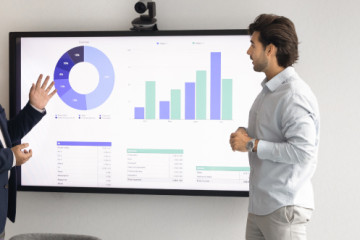
TL;DR IT and finance leaders running Oracle E-Business Suite eventually face the same evaluation question: which manual workarounds are just…
Read more
TL;DR The best tool for Oracle E-Business Suite operations depends on the deployment model. Oracle Enterprise Manager is the optimal choice for on-premises,…
Read more
TL;DR WebLogic tier health in Oracle EBS requires monitoring JVM heap utilization, active JDBC connections, and thread execution states to prevent…
Read more
Securing Oracle EBS test environments requires proving to auditors that PII is irreversibly obfuscated without breaking the underlying referential integrity required for…
Read more
TL;DR The best 90-day roadmap for Oracle EBS regression test automation accelerates deployment by segmenting the rollout into a 30-day…
Read more
The best way to unblock end-to-end Oracle EBS tests is by deploying service virtualization to simulate missing or constrained third-party dependencies. Service…
Read more
What Drives the Need for SOX Automation in Oracle EBS? TL;DR Controls-first SOX automation restructures compliance workflows by embedding validation…
Read more
Oracle Real User Experience Insight (RUEI) structures passive network telemetry to isolate performance metrics for single operating units within a…
Read more
TL;DR The most effective method for troubleshooting Oracle EBS SQL bottlenecks is a systematic drill-down that isolates wait events using…
Read more
Continuous regression reporting maps raw Oracle EBS test failures directly to business process impacts by aggregating automated test signals into a centralized dashboard. This…
Read more
How do enterprise IT teams evaluate alert calibration strategies for Oracle E-Business Suite without drowning in false positives during peak batch processing?…
Read more
TL;DR How do enterprise IT teams evaluate monitoring tools for Oracle EBS concurrent managers without drowning in false alerts? Dynamic threshold monitoring analyzes historical…
Read more
Evaluating governance and auditability for Oracle EBS test automation requires assessing how a platform enforces change control, maintains end-to-end traceability, and supports regulatory compliance….
Read more
TL;DR End-to-end transaction tracing in Oracle EBS isolates performance bottlenecks by linking OAF page actions directly to database SQL queries. Database administrators…
Read more
The most effective way to stabilize Oracle EBS regression suites is by replacing static wait times with dynamic API polling…
Read more
TL;DR Dynamic thresholds for Oracle EBS automatically adjust monitoring alerts based on historical performance baselines and machine learning algorithms. This approach prevents…
Read more
The best way to establish a Data Coverage Confidence Index for Oracle EBS is to deploy automated PL/SQL validation scripts that score…
Read more
TL;DR The best strategy for CI/CD gating in an Oracle EBS pipeline involves establishing automated promotion criteria that validate code, configurations, and data integrity before progression….
Read more
TL;DR Integrating CI/CD pipelines with ITSM for Oracle EBS environments automates code deployment and change management tracking. This toolchain interoperability links development…
Read more
TL;DR Continuous test automation frameworks inject synthetic transaction payloads across CRM and ERP pipelines, detecting O2C regression failures before they impact revenue…
Read more
Evaluating Testing-as-a-Service (TaaS) for Oracle EBS requires choosing between a Build-Operate-Transfer (BOT) model and a fully managed approach. BOT establishes a dedicated…
Read more
TL;DR What are the essential criteria for choosing an Oracle EBS observability platform? The essential criteria include contextual distributed tracing,…
Read more
Integrating Oracle Fusion across Finance, HCM, SCM, and third-party endpoints requires a centralized integration governance framework that standardizes payloads and…
Read more
TL;DR Required Oracle Cloud certifications structure implementation teams to configure ERP, HCM, and SCM modules using standardized cloud-native methodologies. This…
Read more
TL;DR Evaluating an Oracle implementation partner requires moving beyond standard RFP responses to assess specific data migration competencies, cloud certifications, and…
Read more
The best consulting partner for an implementation aligns specific project complexity with validated delivery methodologies and deep domain expertise. A weighted evaluation…
Read more
TL;DR Change management in Oracle Cloud deployments aligns human workflows with continuous software updates to prevent operational disruption. This framework…
Read more
Portfolio rationalization uses a value vs complexity matrix to objectively evaluate software applications and product features. This framework assigns numerical scores…
Read more
The best way to accelerate system modernization is to deploy Automated Discovery Platforms that map legacy codebases and infrastructure dependencies….
Read more
TL;DR The decision to modernize or retire a legacy application depends on calculating its business value against its accumulating technical…
Read more
The baseline total cost of ownership (TCO) for on-premises Oracle EBS is calculated by aggregating direct infrastructure expenditures, indirect labor…
Read more
Achieving Oracle EBS R12.2 online patching compliance requires aligning custom database objects with the edition-based redefinition architecture. The optimal approach involves deploying…
Read more
The most effective way to evaluate AI-augmented features for HCM and ERP deployments is by assessing the integration layer’s ability to process…
Read more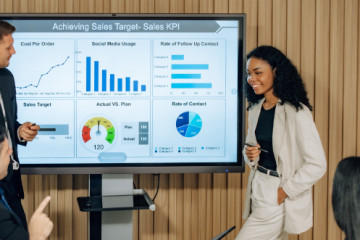
A realistic Oracle Cloud ERP implementation timeline for a mid-sized company ranges from 6 to 12 months. This duration depends…
Read more
TL;DR The most effective way to assess an Oracle Fusion partner is to evaluate their module-specific implementation history rather than relying on their…
Read more
The optimal Oracle EBS cloud migration path depends on your organization’s technical debt , customization volume, and target operating model. Migrating to Oracle Cloud Infrastructure…
Read more
The transition of Oracle EBS to OCI reduces total cost of ownership by eliminating physical hardware refresh cycles and shifting spending to a consumption-based model. By utilizing automated scaling…
Read more
Selecting the right modernization assessment partner requires evaluating their methodology for analyzing legacy monolithic architectures and mapping them to cloud-native microservices. A…
Read more
TL;DR The direct answer: An application modernization assessment evaluates legacy software portfolios to determine the optimal path for cloud migration or architectural refactoring. The process identifies technical…
Read more
Evaluating technical prerequisites for migrating Oracle E-Business Suite to Oracle Cloud Infrastructure requires assessing network architecture, database version compatibility, and…
Read more
TL;DR An Enterprise Business Systems (EBS) operating model balances new development and technical debt by quantifying codebase health and enforcing…
Read more
The decision between custom extensions and standard APIs for Oracle E-Business Suite depends on data complexity and transaction volume. Standard…
Read more
Evaluating an Oracle EBS automation solution requires assessing its ability to execute autonomous patching, clone provisioning, and disaster recovery without…
Read more
Validating EBS automation requires baselining current snapshot costs, manual provisioning hours, and IOPS utilization against post-deployment telemetry. The best approach isolates infrastructure…
Read more
Evaluating Oracle EBS automation requires analyzing the architectural differences between Java-based Oracle Forms and HTML-based Oracle Application Framework (OAF) pages. The best…
Read more
The primary challenge in managing enterprise resource planning systems is that testing remains a massive bottleneck during updates. Teams spend thousands of…
Read more
Enterprise software environments change constantly, and verifying that new updates do not break existing workflows is a massive operational burden. AI-assisted regression testing solves…
Read more
TL;DR Hybrid interface testing in Oracle EBS requires unifying object-based recognition for legacy Forms with DOM-based locators for modern Web…
Read more
Evaluating an Oracle EBS transition requires comparing an on-premise upgrade, a lift-and-shift to Oracle Cloud Infrastructure (OCI), and a full migration to…
Read more
The best modernization path for Oracle EBS requires mapping existing workloads against the 7 Rs framework to determine whether to retain, rehost, replatform, refactor, repurchase, retire,…
Read more
Selecting the right Oracle modernization path requires evaluating existing application customizations against future business agility goals. An Oracle EBS upgrade maintains current on-premises architectures, an OCI…
Read more
TL;DR Oracle EBS modernization restructures legacy monolithic systems into decoupled cloud-native architectures to eliminate operational bottlenecks. This transition reduces technical debt, accelerates…
Read more
An Oracle EBS modernization assessment analyzes existing on-premises enterprise resource planning environments to map custom code, data structures, and business…
Read more
TL;DR Oracle Fusion implementation budget overruns stem primarily from legacy data migration complexities, excessive system customization, and internal resource constraints….
Read more
TL;DR The most effective Oracle Fusion Cloud ERP data migration strategy relies on rigorous master data cleansing, automated mapping logic,…
Read more
Why do some Oracle Fusion Cloud ERP deployments conclude in six months while others drag on for eighteen? The timeline…
Read more
TL;DR Finalizing an Oracle Fusion SCM deployment requires validating specific technical thresholds before cutover. Organizations must resolve data dependencies, lock down…
Read more
TL;DR The best rollout approach for Oracle Fusion depends on enterprise risk tolerance and integration complexity. A Big Bang deployment…
Read more
The success of an Oracle Fusion HCM implementation depends on strict adherence to a configuration-first deployment strategy, rigorous data cleansing…
Read more
TL;DR An Oracle Fusion Finance implementation restructures legacy financial data into a cloud-native, unified ledger system, enabling real-time global consolidation…
Read more
The success of an Oracle Fusion implementation depends entirely on user adoption, as software deployed without workforce alignment generates zero…
Read more
How to Configure Auto-Reconciliation Rule Sequences in Cash Management The optimal auto-reconciliation rule sequence configures one-to-one exact matching first, cascades through many-to-one grouped…
Read more
Auditing and categorizing custom Oracle EBS extensions: Evaluation criteria TL;DR Validating custom Oracle EBS extensions determines the technical feasibility of migrating to Oracle Fusion…
Read more
What Are the Best Patterns for Automated Journal Adjustments with Subledger Accounting? The most effective approach for automated journal adjustments…
Read more
Managing Oracle applications requires a proactive, data-driven approach. Aspire Systems leverages AI and machine learning to transform traditional Oracle support into an…
Read more
Evaluating a CEMLI Catalog for Long-Term Upgrade Resilience The best approach to evaluating custom Oracle EBS extensions is implementing a…
Read more
How to Build an Enterprise Application Inventory for Oracle EBS Rationalization The most effective way to build an enterprise application…
Read more
Defining technical debt in Oracle EBS environments: PAID quadrants explained Technical debt in Oracle EBS represents the accumulated cost of choosing rapid,…
Read more
What Is a Continuous Financial Close for Oracle EBS? A continuous financial close for Oracle EBS automates journal entries, subledger…
Read more
What Is a Technical Debt Playbook for Oracle EBS? Why Engineering Leaders Need One Now A technical debt playbook for…
Read more
Evaluating a Period Close Analyzer for Proactive Health Checks How do finance teams evaluate whether a new system will actually accelerate…
Read more
Evaluating a Clearing Account Reconciliation Framework for EBS A clearing account reconciliation framework for Oracle EBS uses automated transaction matching…
Read more
Traditional Oracle ERP managed services are reactive: issues get fixed after they disrupt operations. AI-powered Oracle Managed Services invert that:…
Read more
TL;DR The Oracle ERP journey does not end at go-live: that is where AI-driven transformation begins. Enterprises are shifting from…
Read more
Transforming and enriching data in Oracle Analytics Cloud enables organizations to improve data quality, enhance insights, and accelerate decision-making. With…
Read more
Oracle EBS HRMS is a traditional, on-premises HR system within Oracle E-Business Suite focused on automating core HR processes. Oracle…
Read more
Oracle Managed Services enable enterprises to streamline IT operations through proactive monitoring, automation, and continuous optimization. By reducing downtime, improving…
Read more
Clinical Decisions Are Limited by Insight, Not Data Healthcare transformation does not struggle because of a lack of data. It struggles…
Read more
ERP Transformations Are Defined by Structural Decisions ERP transformations rarely fail because of technology. They succeed or struggle based on…
Read more
For decades, Enterprise Resource Planning systems have been the backbone of large organizations. They record transactions, enforce controls, and ensure…
Read more
AI Is Moving into ERP Whether Enterprises Are Ready or Not AI is no longer confined to innovation labs or…
Read more
Finance Is Entering an Autonomous Era For decades, ERP systems have been the backbone of enterprise finance. They enforced controls,…
Read more
ERP Programs Are Shaped by More Than Technology Every large ERP program is influenced by architecture, process design, and change…
Read more
ERP Needs More Than Process. It Needs Intelligence. ERP programs have always excelled at structure, consistency, and control. But today’s…
Read more
The New Era of ERP Intelligence Generative AI has quickly evolved from a novelty to a necessity. For enterprises running…
Read more
Introduction: ERP’s Role in the Enterprise Growth Story For enterprises operating in multiple geographies, managing thousands of SKUs, vendors, or…
Read more
Rethinking ERP Usability in the Age of Intelligent Automation Modern ERP systems are powerful—but they’re not always user-friendly. Complex navigation,…
Read more
The Hybrid Enterprise Reality For most enterprises, “cloud transformation” is not a destination—it’s a continuous journey. While Oracle Fusion ERP…
Read more
Introduction: Simplification Is the New Innovation As enterprises scale and evolve, their IT ecosystems often become fragmented. Disconnected systems, siloed…
Read more
The AI Opportunity—And Why Many Oracle Customers Can’t Capture It Yet You’ve completed your Oracle ERP implementation—whether it’s Fusion Cloud…
Read more
Introduction: ERP Scalability Is Not a Feature—It’s a Growth Enabler For modern enterprises, ERP is more than a back-office tool—it’s…
Read more
iEstate is Aspire Systems’ Oracle-powered, cloud-based PropTech solution built on Oracle Cloud Infrastructure for enterprises managing real estate portfolios: retail stores, malls, campuses,…
Read more
Introduction: The Shift from Data Abundance to Decision Intelligence Enterprises today are awash with data—from ERP systems and CRM platforms…
Read more
Introduction: Integration Is the New Enterprise Differentiator Today’s enterprises rarely operate with a single system or a single cloud. As…
Read more
Introduction As digital transformation accelerates, Oracle-powered enterprises are under immense pressure to ensure seamless operations, tighter SLAs, and reduced IT…
Read more
Are traditional Oracle Fusion managed services still serving your enterprise effectively? If you’re spending too much time firefighting performance issues,…
Read more
A Conversation with AI: Can AI Really Cut IT Costs? Setting: An IT Director and an AI-powered Managed Services Assistant…
Read more
The IT Leader’s Guide to Oracle ERP Security & Compliance: Are You Ready? Welcome to the Security & Compliance Test! …
Read more
The IT Firefighting Struggle: A Story Meet Mark, an IT Director at a growing retail enterprise in the US. His…
Read more
📄 Read AI-generated summary ▼ ✖ Eliminate Oracle ERP Downtime with AI-Powered Managed Services Oracle ERP downtime costs enterprises $300K+…
Read more
Introduction to Oracle Cloud Infrastructure(OCI) Oracle Cloud Infrastructure (OCI) stands out as a top choice for businesses seeking reliable, cost-efficient cloud…
Read more
iAnalytics is the latest tool in the Aspire Sytems’ arsenal built on top of Oracle Analytics Cloud (OAC). The supercharged…
Read more
Introduction – Data-Driven Era Analytics is transforming the way we do business. Every business decision, be it small or big,…
Read more
AI is reshaping the global landscape much like the transformative impact of ancient inventions such as fire and the wheel….
Read more
The combination of cloud and AI has revolutionized the way businesses operate. With the help of cloud technology, enterprises can…
Read more
In the dynamic landscape of enterprise solutions, deploying Oracle Fusion ERP Cloud Projects is a pivotal step towards efficiency, innovation,…
Read more
Mobility solutions in ERP and business applications involve mobile technologies to enhance accessibility and productivity in managing enterprise resources. Mobile…
Read more
In today’s fast-paced business environment, mobility solutions are becoming increasingly vital. They offer enhanced productivity, streamlined operations, and improved customer…
Read more
The digital transformation of businesses is changing how companies operate, and Mobile Enterprise Resource Planning (ERP) plays a vital role…
Read more
Mobile ERP is specifically designed for access and use on Mobile devices such as smartphones, tablets, and laptops. It enables…
Read more
Organizations of all sizes strive to provide their employees with the best possible working conditions and opportunities. Oracle Enterprise Business…
Read more
PropTech has proved itself to be a disruptive technology. It has caught the attention of industry insiders, right from investors…
Read more
There are three clear drivers to cloud migration – data protection and security, data modernization, and the performance and cost…
Read more
Aspire Systems, a Global technology services firm, is among the earliest adopters and entrants in Oracle Fusion Cloud implementations, to…
Read more
Mobile Inventory Management is the process of tracking and managing inventory levels using mobile devices, including smartphones, tablets, and other…
Read more
As enterprises strive toward digital transformation, there are several ways in which you can leverage modern AI-powered tools to modernize…
Read more
You want your enterprise to run as efficiently as possible as a business owner. That’s why it’s crucial to have…
Read more
Oracle EBS/ Fusion Cloud Mobility enables field service management on the go for Oracle EBS and Fusion Cloud. This Field…
Read more
Today’s consumers are tech-savvy, demanding more from their mobile devices. The future of automated field service scheduling and optimizing is…
Read more
Traditional systems like Enterprise Resource Planning (ERP) alone will not suffice anymore as the workforce is filled with tech-savvy millennials…
Read more
Time tracking is key to understanding the cost to the company (CTC), as it tells you how much you spend…
Read more
We’ve not seen the kind of workplace disruption before that we have been going through in recent years. The pace…
Read more
Industries like real estate, banking, and retail often have multiple components that need to be managed well to run an…
Read more
Property management is all-encompassing that includes operating and managing many different assets that are both physical and digital. Property owners…
Read more
Enterprises, irrespective of the size of operations, thrive on accurate data to make growth predictions. They also need data to…
Read more
PropTech is transforming the real estate industry and most of all, in property management solutions. And, property management has evolved,…
Read more
As the world grappled with the isolation imposed by the pandemic, it also opened up more opportunities for technology innovation….
Read more
The Banking and Financial Industry has diverse human resources requirements, including regional and global workforces. Using centralized HR operations across…
Read more
Automation has proven to be most effective when it comes to increased ROI simply by freeing up the time and…
Read more
The Oracle WebADI brings all of the Oracle E-business Suite’s functionality to your desktop from where you can use familiar…
Read more Write to Us